Equip People Leaders to Support Safer, Healthier Work
FlourishDx helps managers and supervisors understand psychosocial risk, recognise early warning signs, have safer conversations and take practical action within their role.

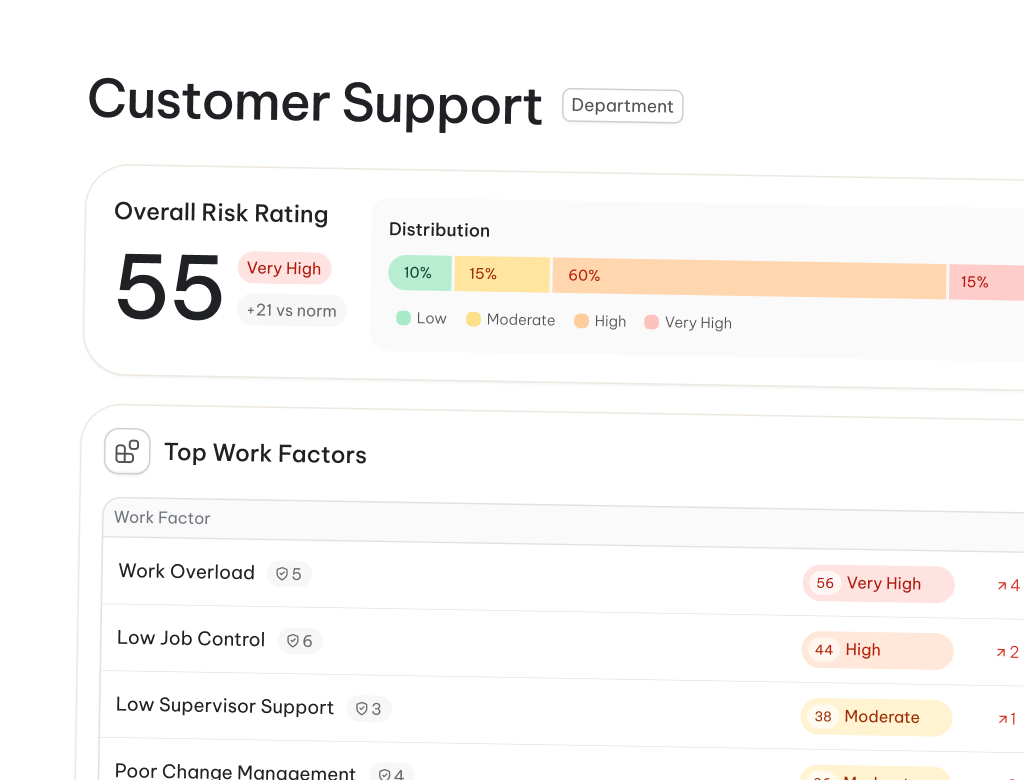
Understand Psychosocial Risk at Team Level
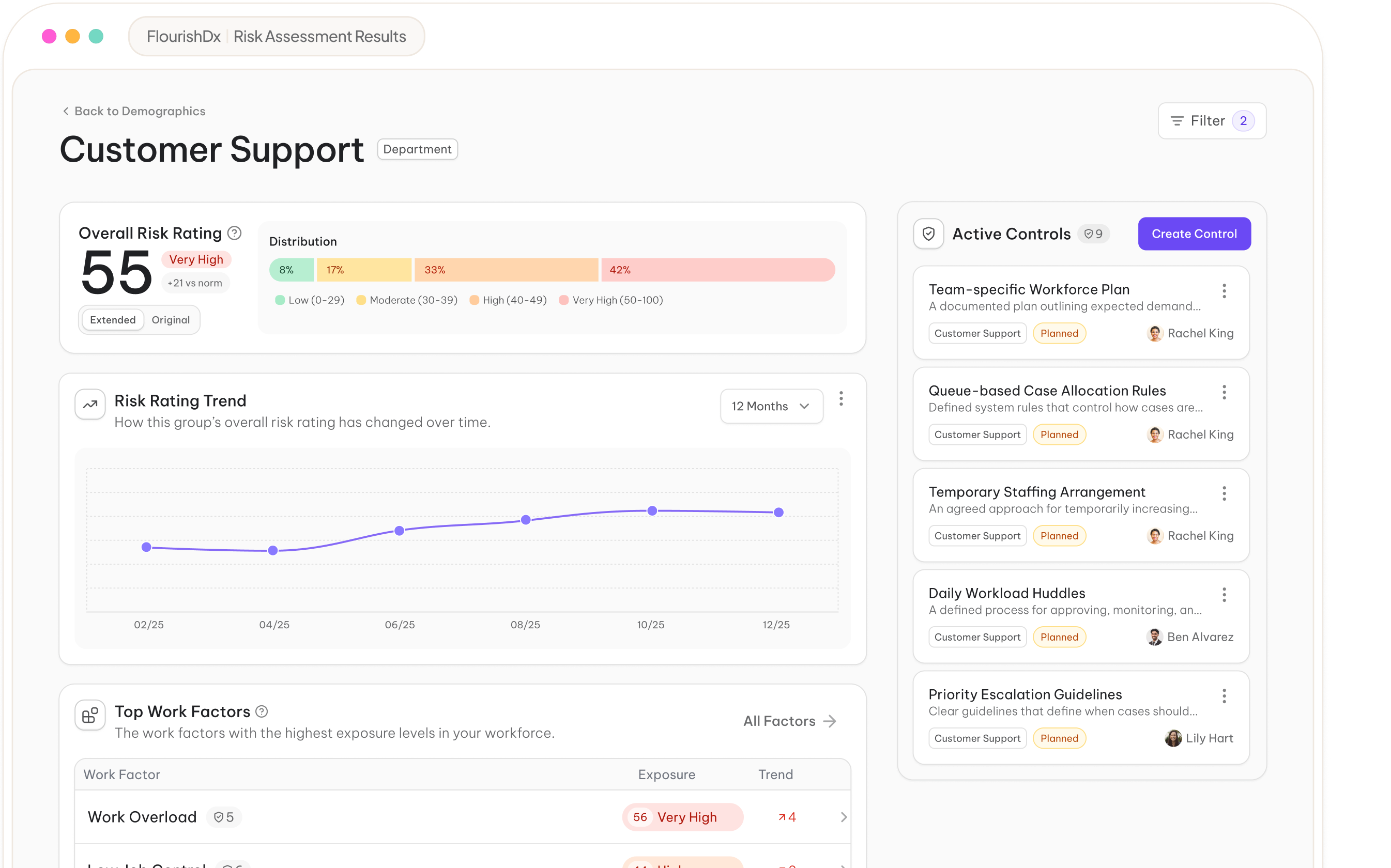
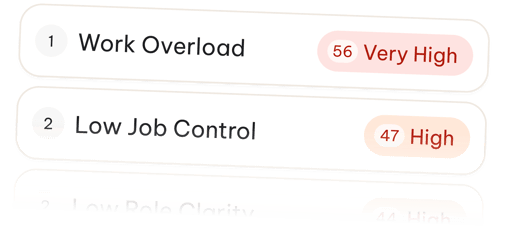
Psychosocial risk can vary across roles and work environments. FlourishDx helps organisations give people leaders clear, privacy-appropriate insights into the hazards and outcomes affecting their area.
- Group-level insights where privacy thresholds are met
- Clear view of priority hazards, outcomes and trends
- Plain-language interpretation of psychosocial risk data
- Guidance that frames results as work-design signals, not personal blame
Help Leaders Recognise Early Warning Signs
Psychosocial risk may show up through workload pressure, conflict, withdrawal, poor communication or changes in performance. FlourishDx helps people leaders recognise patterns early and respond appropriately.
- Practical education on common psychosocial hazards
- Guidance on behavioural and workplace warning signs
- Clear distinction between individual concerns and work-related risk
- Prompts for when to monitor, discuss or escalate concerns
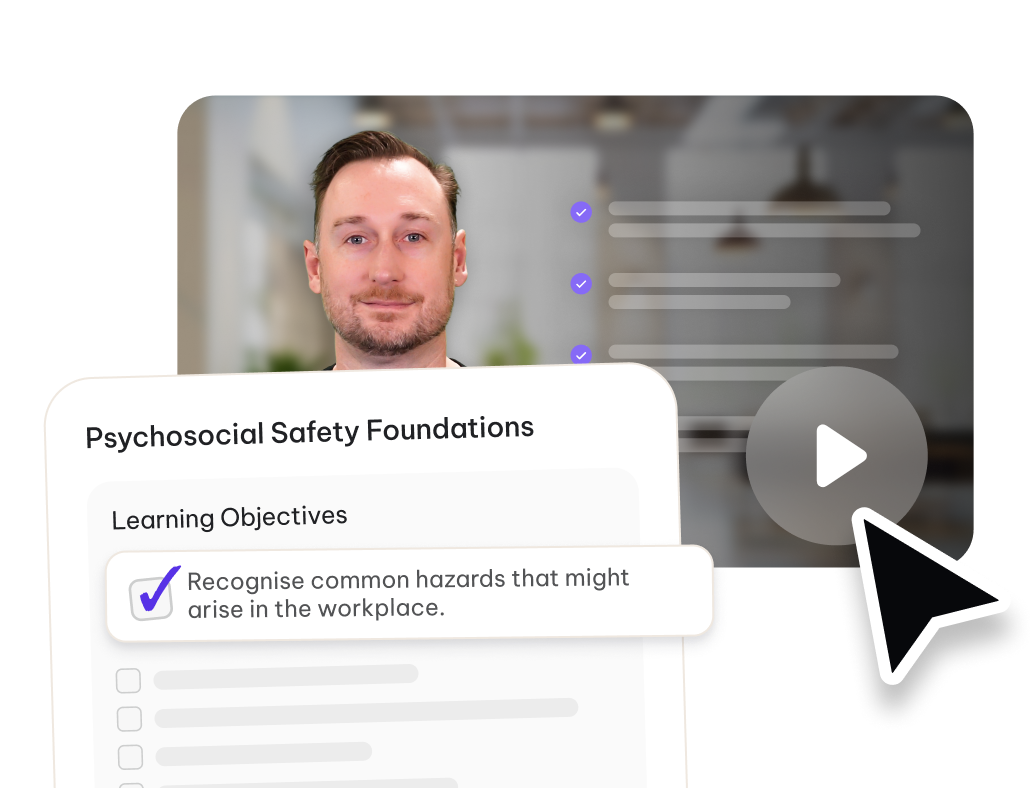
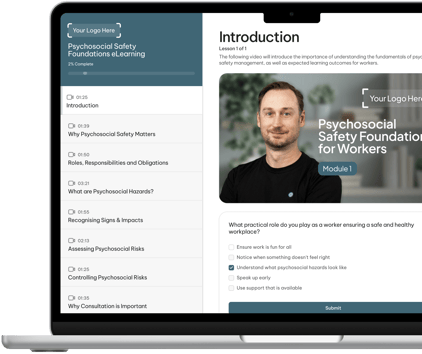
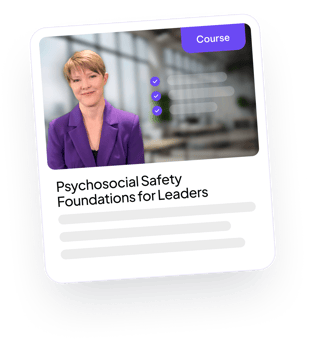

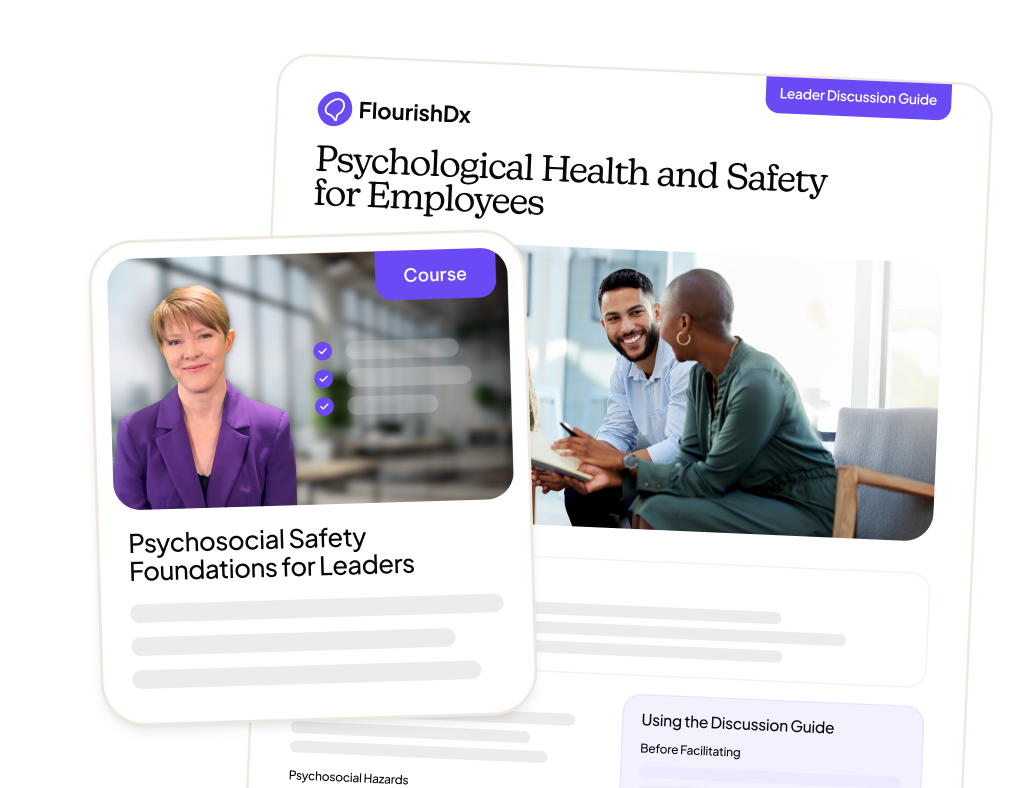
Build Psychosocial Safety Capability at Scale
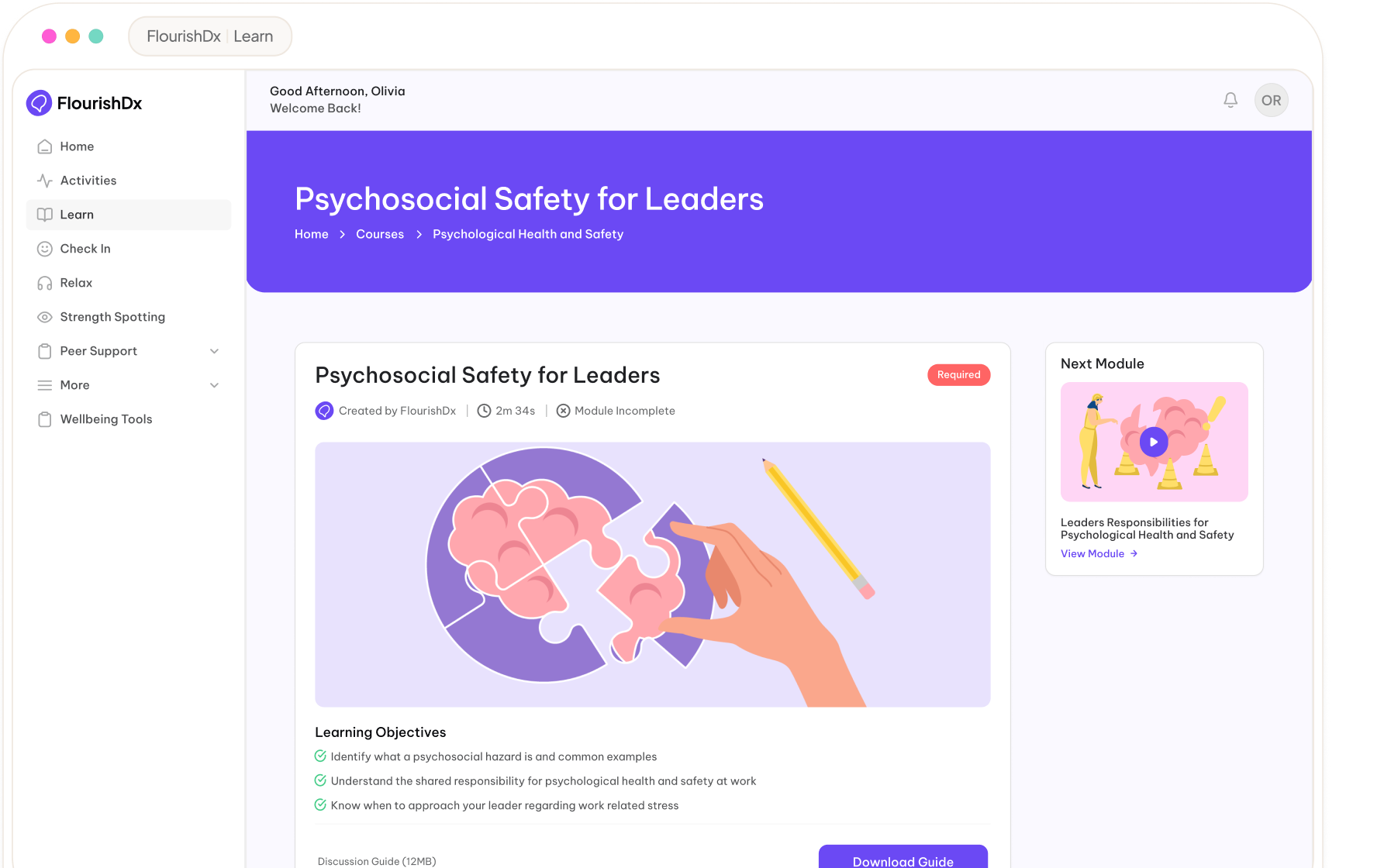
- Role-specific foundations courses
- Tailored branding, policies and workplace examples
- Practical, video-led learning developed by experts
- Flexible delivery through your LMS or a hosted option
Support Better Conversations About Work
Sensitive conversations can be difficult. FlourishDx gives people leaders practical tools to discuss workload, change, conflict and support respectfully—without overstepping their role.
- Conversation tools for common workplace concerns
- Guidance on psychological safety and respectful communication
- Support for listening without becoming a counsellor
- Resources for discussing findings and next steps
Guide Practical Action Within Role
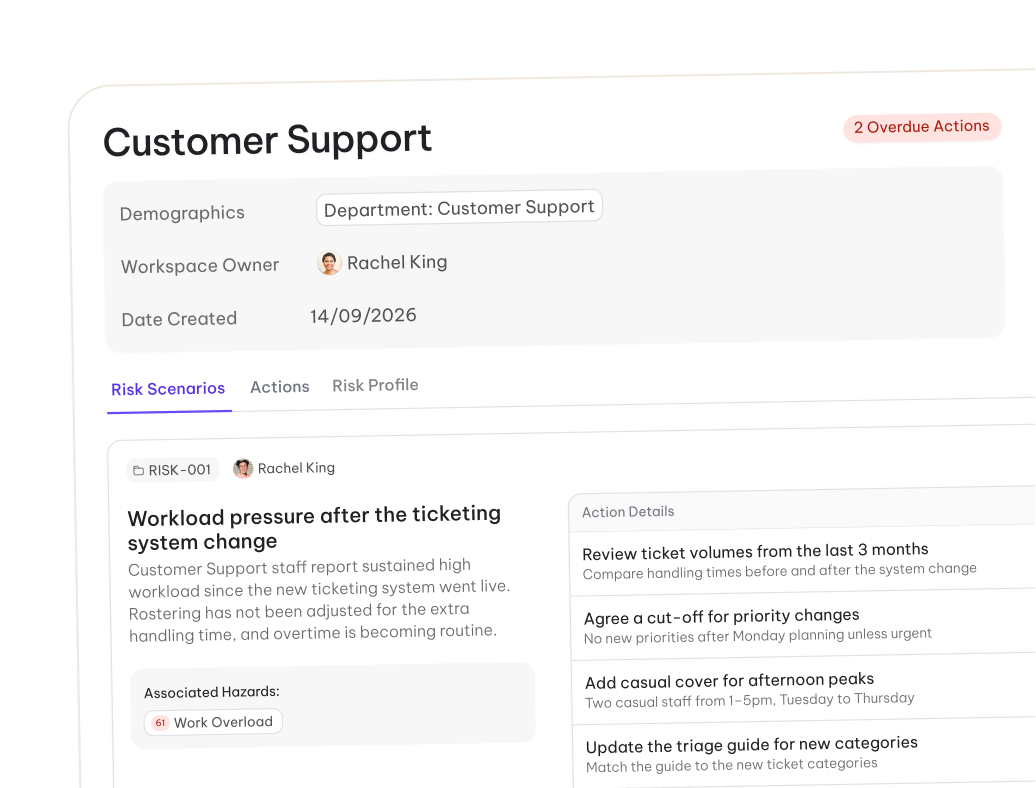
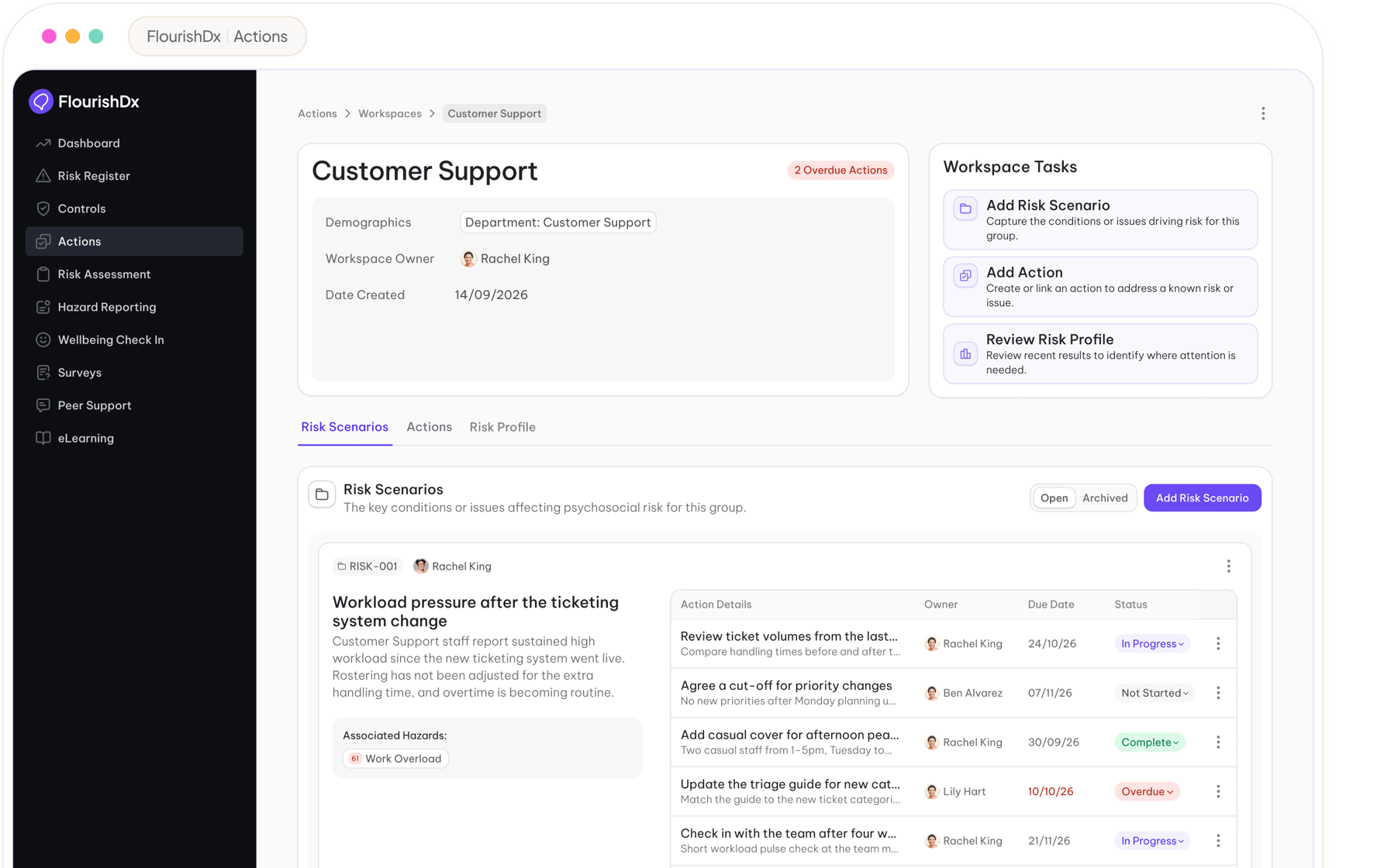
People leaders influence how work is planned, prioritised and communicated. FlourishDx helps them understand what they can address locally and when broader organisational action is required.
- Actions linked to priority psychosocial hazards
- Guidance on workload planning, role clarity, and communication
- Support to improve team routines, escalation, and follow-up
- Clear links between local action and organisational controls
 Coming Soon
Create Clear Escalation Pathways
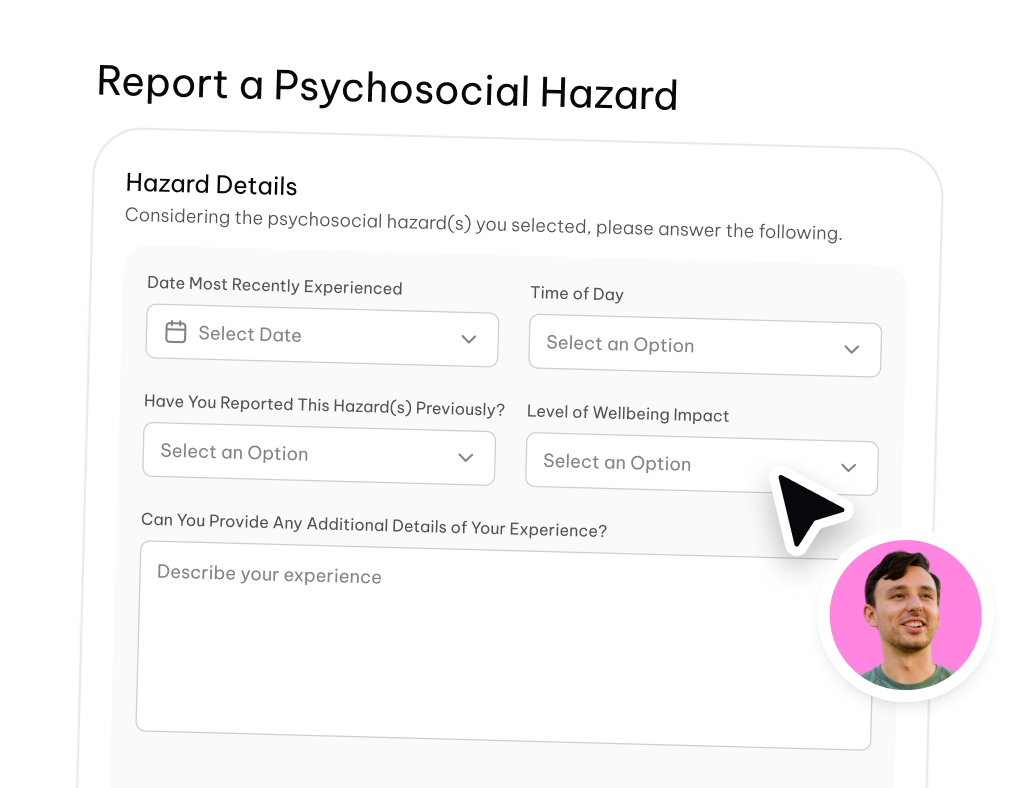
Some concerns require specialist support, formal review or a coordinated response across HR and WHS. FlourishDx helps organisations define clear pathways so people leaders know when and how to escalate.
- Clear pathways for hazards, incidents, and concerns
- Guidance on when to involve HR, WHS, or other specialists
- Support for responding without becoming counsellors
- Tools for documenting concerns and follow-up
Reinforce Better Practice Over Time
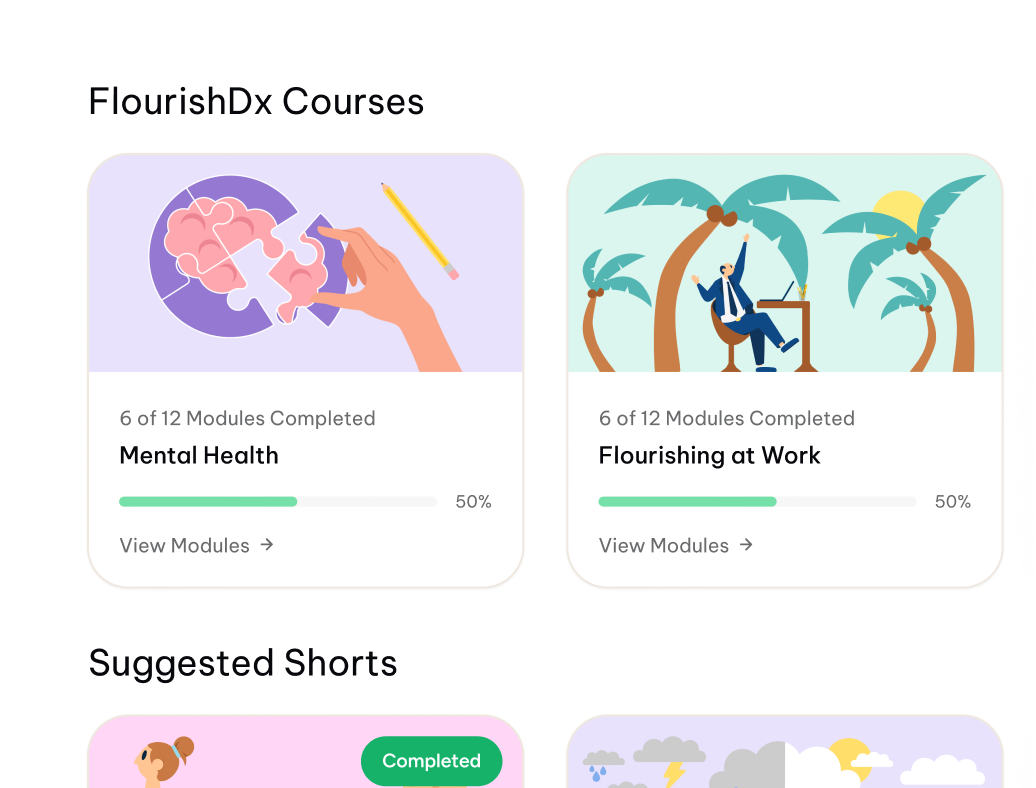
One-off training is rarely enough. FlourishDx helps organisations reinforce everyday leadership practice through ongoing learning, practical resources and follow-up insights.
- Self-paced learning and refresher content
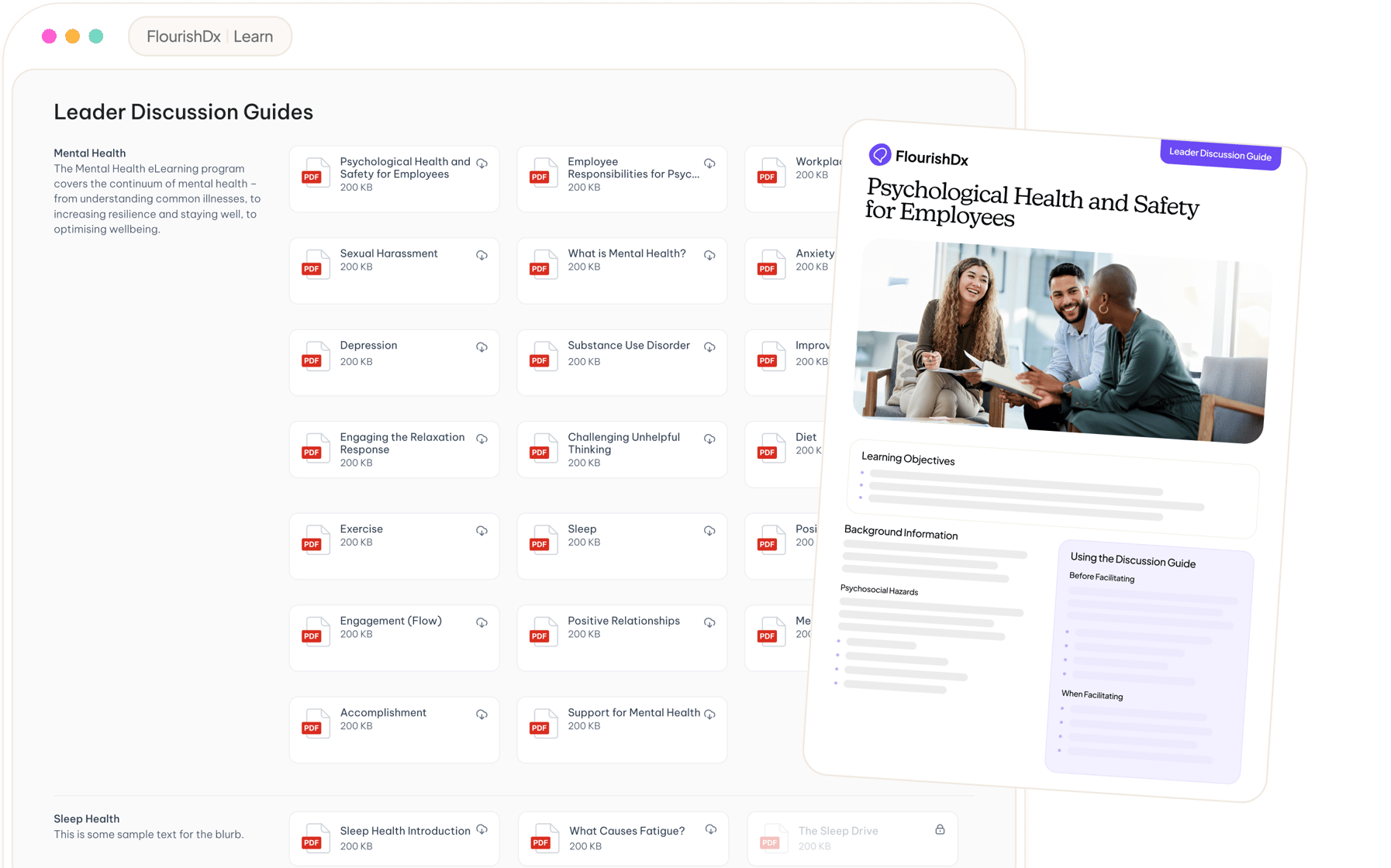
- Leader discussion guides and practical resources
- Strengths-based tools that reinforce positive behaviours
- Group-level insights to support reflection and follow-up
Give People Leaders Clearer Signals and Practical Support
FlourishDx brings together privacy-appropriate group insights, learning, worker feedback and follow-up tools—helping people leaders recognise risk, act within role and escalate concerns appropriately.
“We’ve been really impressed with the ease of the tech and how it has made what can be a complex topic far more approachable, which ultimately translates into positive actions.”

Jamie Broadley



Equip People Leaders to Act With Confidence
Recommended for Supporting People Leaders
Explore practical ways to build leader capability, involve workers and help managers respond confidently to psychosocial risks and concerns.
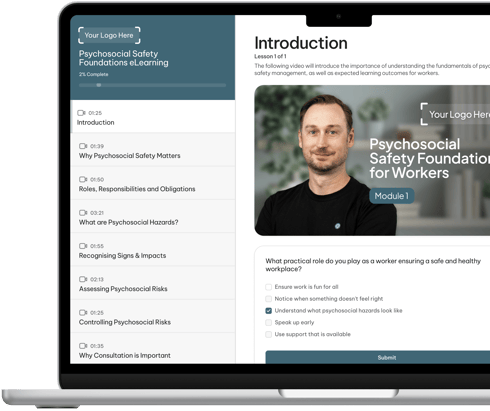
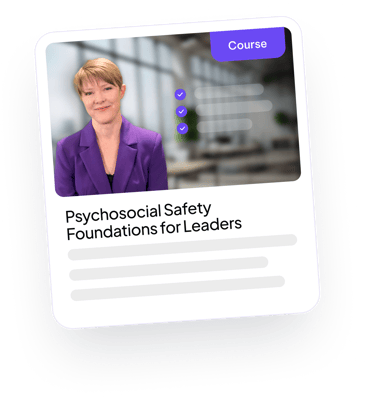

Psychosocial Safety eLearning
Build practical, role-specific capability across workers, people leaders and HR/WHS teams.
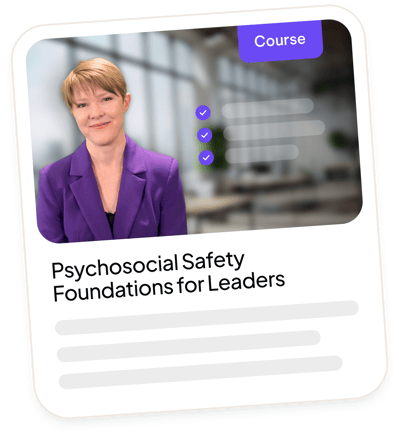
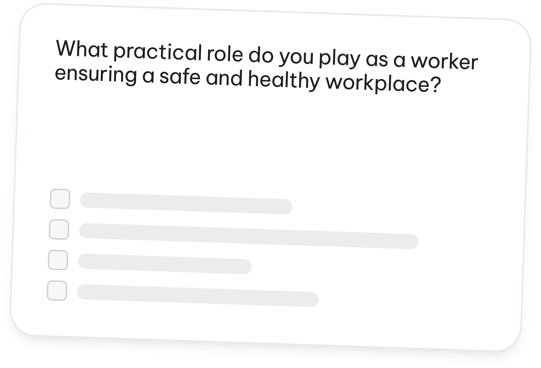
Build Capability
Build practical psychosocial safety knowledge across leaders, workers and specialist teams.
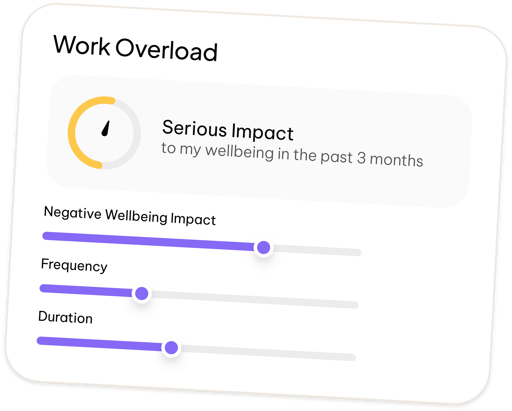




Consult Workers
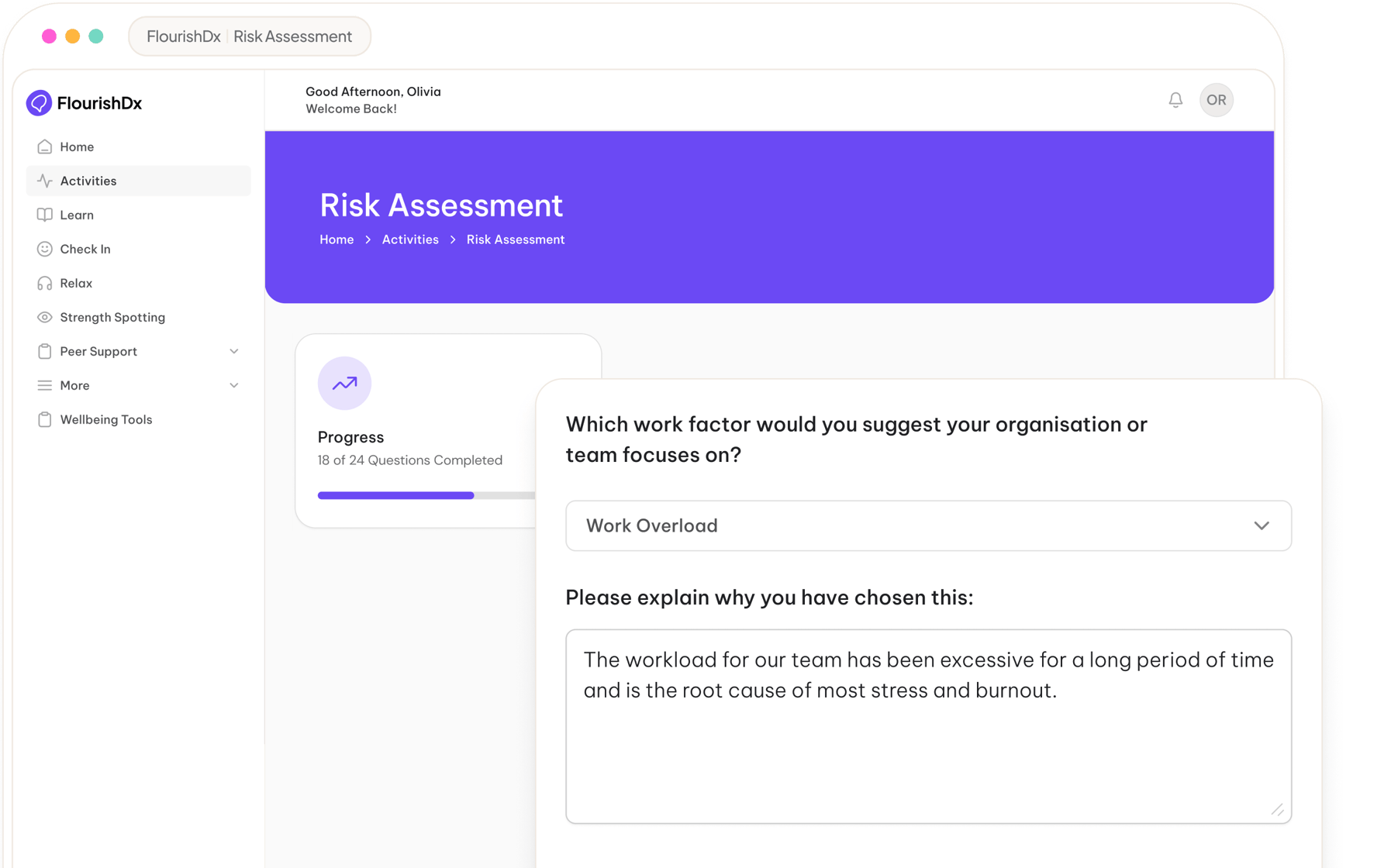
Bring worker insight into risk management through structured, psychologically safe consultation.
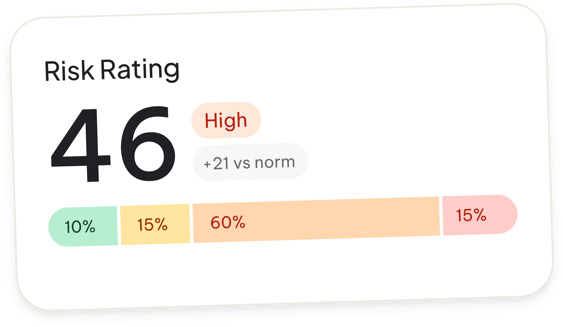


Understand Risks
Identify psychosocial hazards, who is most exposed and what needs attention first.